Home Gyms · Buyer's guide
The barbell buying guide
Diameter, knurl, whip, spin, coating and steel — what each spec actually changes under load, and which ones only matter for the lifts you actually do.
Research-ledClearly sourced
Short answer
What barbell should I buy for a home gym?
For most home gyms, one 20 kg multipurpose bar: a 28.5 mm shaft, bushing sleeves, a published tensile strength around 190,000 PSI, and a coating chosen for your room's humidity. That single bar covers squats, presses, deadlifts and general strength work. Choose a stiffer 29 mm power bar if you train powerlifting, or a whippier 28 mm bar with bearing sleeves if you train the snatch and clean and jerk. Serious training in both means two bars, not one compromise. Before ordering, confirm the shaft length between the sleeves clears the inside of your rack.
Start with the lift, not the bar
Almost every barbell spec is a trade-off between two jobs: staying rigid under a heavy, slow lift, and flexing or spinning fast under an explosive one. A bar optimized for one is compromised at the other, which is why "best barbell" has no single answer.
Three archetypes cover nearly the whole market. Identify which describes your training before comparing any numbers.
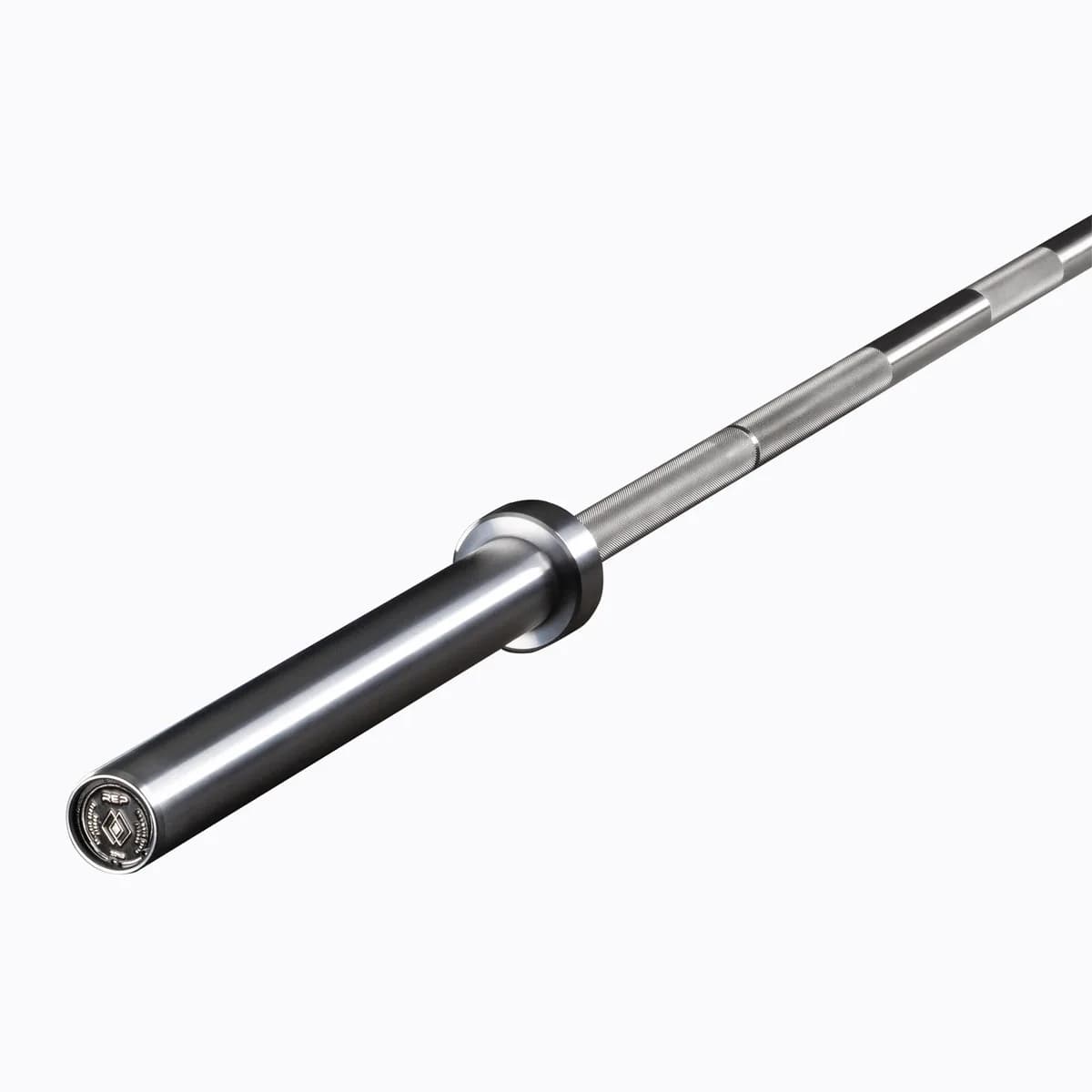
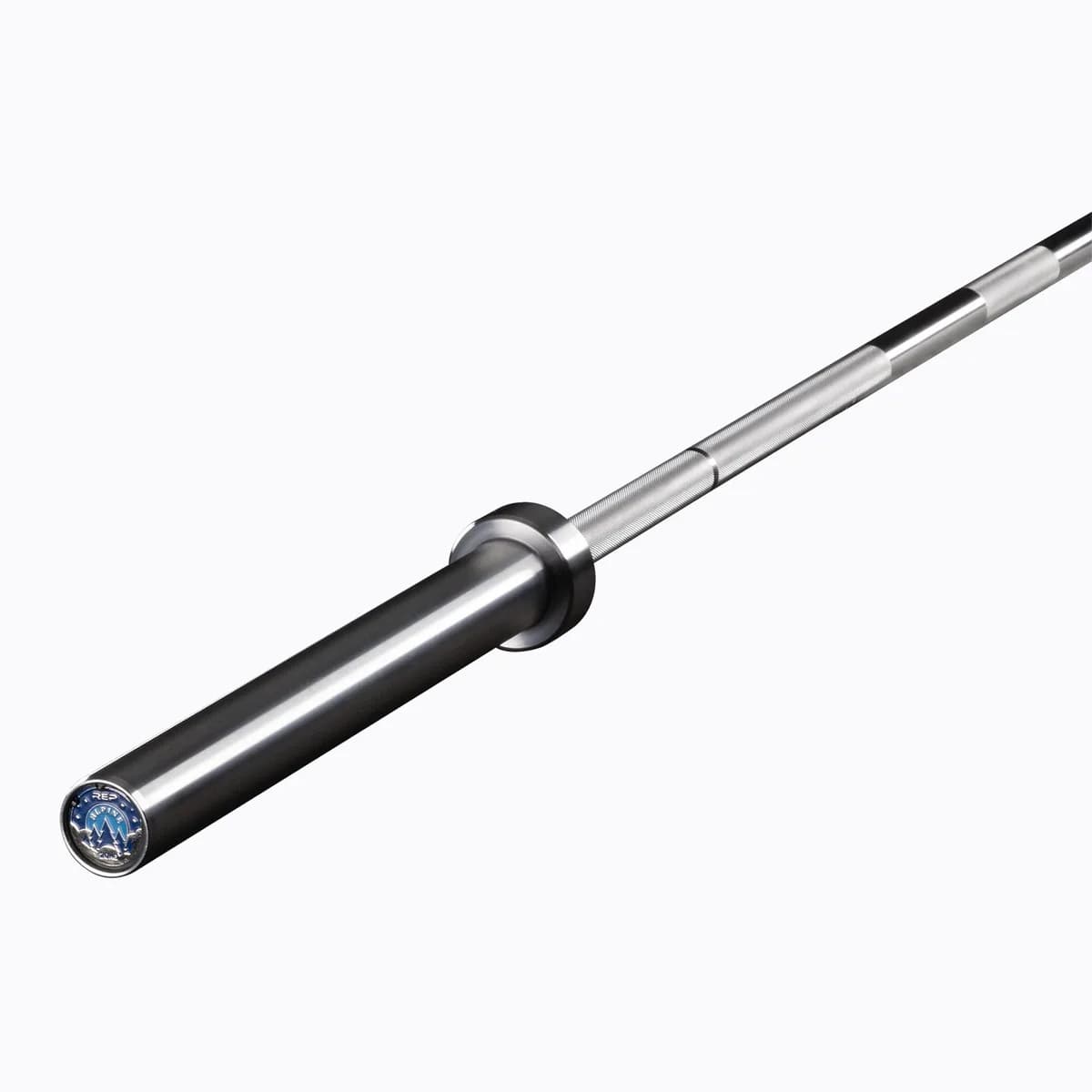
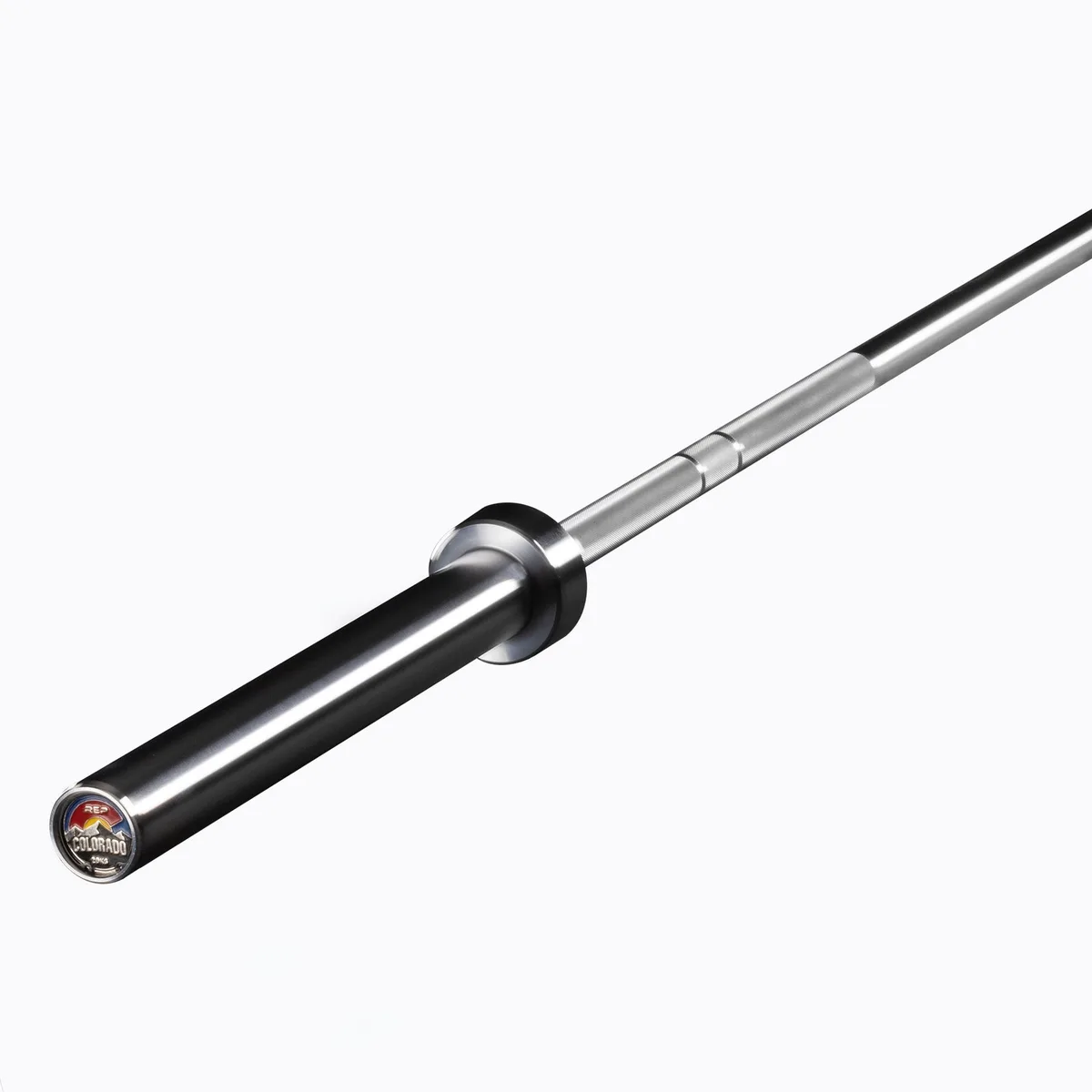
- Power bar — stiff, thicker shaft, aggressive knurl, usually a center knurl. Built for squat, bench and press, where bar flex is a liability.
- Olympic weightlifting bar — thinner shaft, more whip, fast-spinning sleeves, no or very light center knurl. Built for the snatch and clean & jerk.
- Multipurpose (hybrid) bar — splits the difference on diameter, knurl and spin. The default recommendation for general strength training and most home gyms.
- If you train powerlifting and weightlifting seriously, that is a two-bar answer, not a compromise-bar answer.
Diameter: the spec you feel first
Shaft diameter changes how the bar sits in your hand and how much it flexes. Thinner bars are easier to grip hard, which matters most on pulls; thicker bars feel more solid and bend less under a heavy squat.
Diameter and stiffness are linked, so this single number quietly sets the bar's personality.
- 25mm — women's Olympic bar (15kg). Not a "beginner" bar; it is a competition standard for a different shaft and weight.
- 27mm — deadlift-specific bars. Thin and grippy, with a lot of intentional whip.
- 28mm — Olympic weightlifting standard (IWF). Thin, whippy, built to spin.
- 28.5mm — the common multipurpose compromise. Grips well, flexes moderately.
- 29mm — powerlifting standard (IPF). Stiff and solid under heavy squats and presses.
- 32mm — specialty squat bars. Very stiff, often 25kg rather than 20kg.
Length, weight and whether it fits your rack
A full-size bar is 20kg (44 lb, usually marketed as a 45 lb bar) and about 2.2m — roughly 7.2 feet — end to end. The number that decides rack compatibility is not overall length but the shaft length between the sleeves, typically around 51 to 52 inches.
That span must clear the inside of your rack's uprights. Most home racks at 43 to 49 inches wide are fine, but short or compact bars exist for tight rooms and they change what you can do.
- Measure the inside width of your rack uprights, then confirm the bar's shaft-length spec before ordering.
- Confirm the bar can be racked and re-racked without the sleeves catching on J-cups or safeties.
- Short bars (5–6 ft) fit small rooms but reduce loadable sleeve length and often the weight rating — check both.
- A 15kg bar is a legitimate choice for smaller lifters; it is a different standard, not a downgrade.
- Leave walking clearance at both ends — a 7.2 ft bar needs room to load plates on both sides.
Knurling: grip, aggression and the center-knurl question
Knurling is the crosshatch pattern cut into the shaft. Its depth and sharpness determine how well the bar holds your grip and how much it tears your hands, and preference here is genuinely personal rather than a matter of quality.
Descriptions are not standardized. "Aggressive," "medium" and "passive" mean whatever the manufacturer wants, so treat those words as a starting point and prioritize hands-on experience or consistent reports across multiple owners.
- Passive knurl — comfortable for high-rep and beginner training; can slip on heavy pulls with sweaty hands.
- Aggressive knurl — secure on maximal deadlifts; chews up hands during volume work.
- Center knurl — helps a squat bar stay put on your shirt, but can scrape shins and collarbones on deadlifts and cleans.
- Power bars almost always have a center knurl; weightlifting bars have none or a very light one; multipurpose bars vary.
- If one bar serves a whole household, err toward a moderate knurl — an aggressive bar is hard to share.
Hill, mountain, volcano: decoding brand knurl language
Because "aggressive" and "medium" mean whatever each brand wants, reviewers and several manufacturers have converged on a more useful vocabulary that describes the shape of the knurl points rather than a feeling. The taxonomy — hill, mountain, volcano — was coined by Chris Duffin of Kabuki Strength and has since been adopted across barbell coverage and in brand copy, including REP's own knurling guide.
The shape matters because it explains how a bar can grip hard without shredding hands. A volcano cut replaces each single sharp point with a small crater rim, so the bar contacts more skin at lower pressure — which is why it shows up on bars praised for holding a deadlift without tearing palms during volume work.
Two cautions keep this honest. Brands describe their own knurling; the pattern names are self-reported and not audited, and depth and pitch vary within each shape, so two "volcano" bars can still feel very different. And the finish sits on top of everything — the same cut feels sharper in bare steel than under Cerakote, so a knurl-plus-coating combination is what you are actually buying.
- Hill — rounded tops, often from shallower cuts or worn tooling. Passive feel; common on budget and commercial-facility bars.
- Mountain — sharp pyramid points that bite the skin. Typical of dedicated power and deadlift bars where grip beats comfort.
- Volcano — crater-rimmed points with more contact area per point. The pattern named on bars like Rogue's Ohio Power Bar and Kabuki's power bars, and used by Eleiko at varying depths.
- REP describes its own depth tiers as passive, medium ("all grip, no rip") and aggressive — useful within REP's line, not comparable across brands.
- When a listing only says "aggressive," look for a macro photo of the knurl or reviewer close-ups; the point shape tells you more than the adjective.
Knurl marks tell you which standard a bar follows
The smooth rings interrupting the knurl are grip reference marks, and their spacing reveals which competition standard the bar was built to. This is a quick way to confirm a bar's intent when the marketing copy is vague.
- IPF (powerlifting) marks sit 81cm / 32 inches apart.
- IWF (weightlifting) marks sit 91cm / 36 inches apart.
- Dual-marked bars carry both sets and are typical of multipurpose bars.
- If you compete, match the marks to your federation so your grip cues transfer to the platform.
Tensile strength, yield strength and "capacity" claims
Tensile strength — quoted in PSI — describes the steel's resistance before it fractures. It is the most commonly published steel number, and while a higher figure generally indicates better steel, it does not directly describe the load at which a bar takes a permanent bend.
Yield strength is the more meaningful number for bending, because it marks where deformation becomes permanent. It is rarely published. Weight-capacity ratings are the least reliable figure of all: there is no shared test standard behind them, so a "1,500 lb capacity" claim is not comparable across brands.
- Roughly 150,000 PSI — entry-level steel. Adequate for moderate loads, more prone to taking a set over time.
- Roughly 190,000 PSI — the common quality threshold for a serious general-purpose bar.
- 200,000 PSI and above — premium bars, typically paired with better machining and finish.
- Treat a published capacity rating as marketing unless the seller states the test method.
- A bar with no published tensile strength anywhere in its documentation is itself a data point.
Whip: useful in two lifts, a liability in most others
Whip is the bar's flex and the oscillation that follows it. In the Olympic lifts, a whippy bar stores and returns energy that a skilled lifter can time; on a heavy deadlift, whip lets the bar bend before the plates break the floor, changing the pull.
Under a heavy squat or bench, that same flex is unwanted movement. Whip follows from diameter, shaft length and steel, so you rarely choose it separately — you inherit it from the bar type you picked.
- Want whip: Olympic weightlifting and deadlift-specific bars.
- Avoid whip: squat, bench and overhead pressing, where stiffness is control.
- Most lifters below advanced loads will not meaningfully benefit from whip — do not pay a premium for it early.
Spin: bushings versus bearings
The sleeves must rotate independently of the shaft so that plates do not torque your wrists as the bar turns. How that rotation is engineered is one of the largest cost drivers in the entire bar.
Bushings are the right default for general training. Needle bearings are genuinely better for the Olympic lifts and largely wasted everywhere else.
- Bronze or composite bushings — smooth, durable, low maintenance, less expensive. Ideal for powerlifting and general strength work.
- Needle bearings — fast, low-friction spin for the snatch and clean & jerk. More expensive and more sensitive to neglect and moisture.
- Hybrid designs combine both; verify what is actually inside rather than trusting the category name.
- Excessive spin is a nuisance on strict presses and rows — faster is not universally better.
Sleeve assembly and whether you can service it
Sleeves are retained either by a snap ring or by an end-cap bolt. This detail is invisible in use but decides whether you can ever clean, re-grease or repair the bar yourself.
Bolt-and-cap designs generally disassemble more easily. Snap-ring designs are common and perfectly serviceable in practice, but removal takes the right tool and some care.
- Ask whether replacement bushings, bearings, snap rings or end caps are sold separately.
- Rattle is normal on many bars and is not automatically a defect — persistent, worsening play is.
- A manufacturer that publishes an exploded parts diagram is signaling long-term supportability.
Coatings and rust: the garage question
Coating drives both how the knurl feels and how the bar survives your room. Bare and lightly finished steel gives the best grip feel and rusts fastest; heavier finishes trade a little knurl sharpness for corrosion resistance.
If the bar lives in an unconditioned garage, a humid basement, or anywhere near coastal air, weight this decision far more heavily than knurl preference. Note that many bars use one finish on the shaft and a different one on the sleeves.
- Bare steel — best feel, no corrosion protection, requires routine oiling.
- Black oxide — excellent knurl feel, minimal protection, rusts readily if neglected.
- Zinc (bright or black) — moderate protection at moderate cost; the finish patinas over time.
- Hard chrome — durable and corrosion resistant. Decorative chrome is a different, thinner product that can flake — treat unspecified "chrome" as a question to ask.
- Cerakote — strong corrosion resistance and color options; slightly mutes knurl sharpness. Sleeves are often finished differently.
- Stainless steel — best combination of bare-steel feel and corrosion resistance, at the highest price. No coating to wear through.
Loadable sleeve length and plate compatibility
Loadable sleeve length is the usable space for plates on each side, commonly around 16 to 16.5 inches on a full-size bar. It limits your true maximum load, and bumper plates consume it far faster than cast iron does.
This is the spec that quietly caps a home gym's ceiling, especially for anyone training with rubber bumpers.
- Olympic (2-inch / 50mm) sleeves are the standard and the one worth buying into.
- Standard 1-inch bars are a legacy format with limited plate options and much lower ratings — avoid unless you already own 1-inch plates.
- Bumper plates are thick: a full set plus collars can approach the sleeve limit sooner than expected.
- Confirm your collars fit the sleeve and do not eat loading space you need.
- Short bars trade sleeve length for total length — check the loadable figure, not just the bar's length.
Specialty bars, and when a second bar beats a better first bar
Once a solid general bar is in place, additional money often buys more by adding a different bar than by upgrading the one you own. Specialty bars solve specific joint, leverage or grip problems that no straight bar addresses.
These are second or third purchases. None of them replaces a good multipurpose bar.
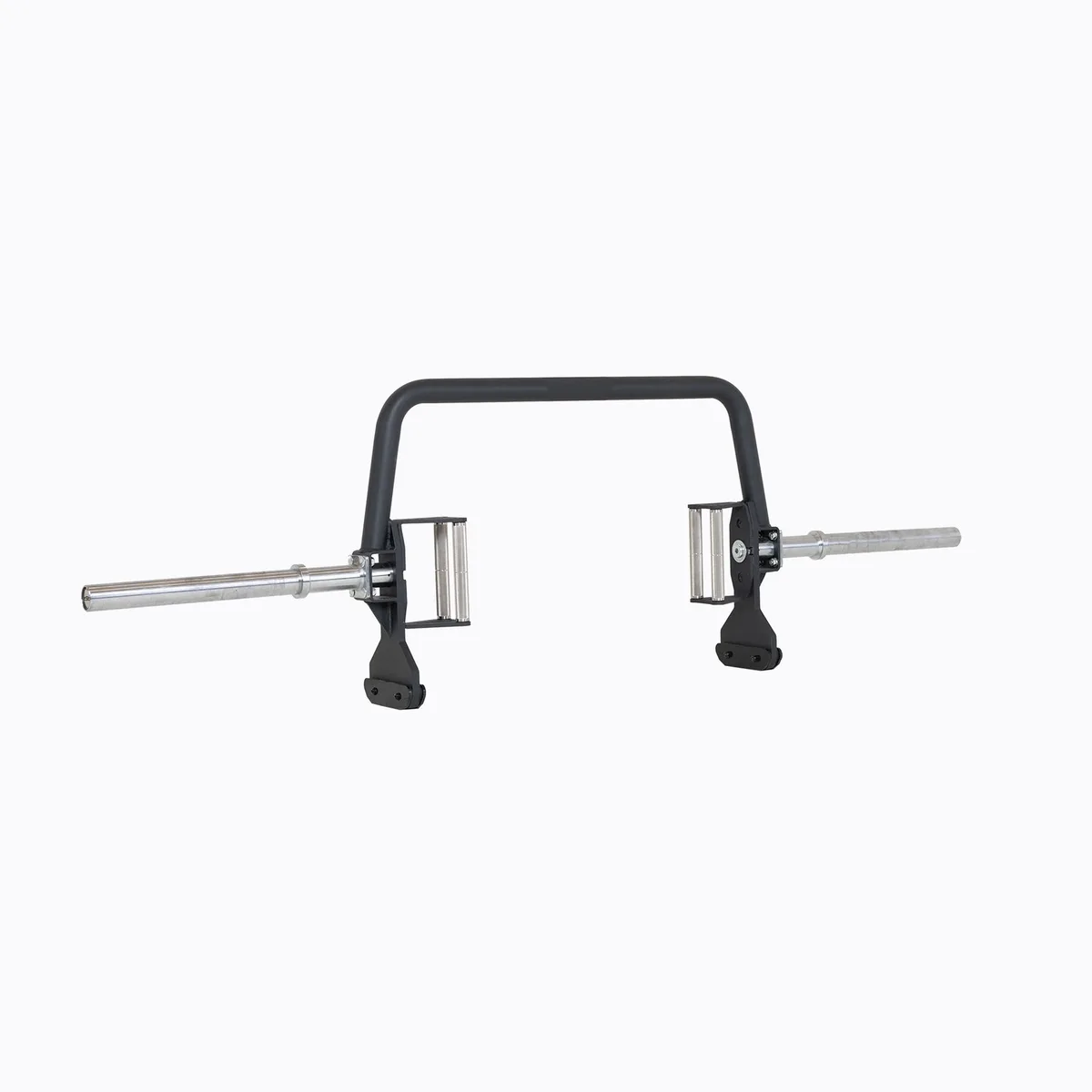
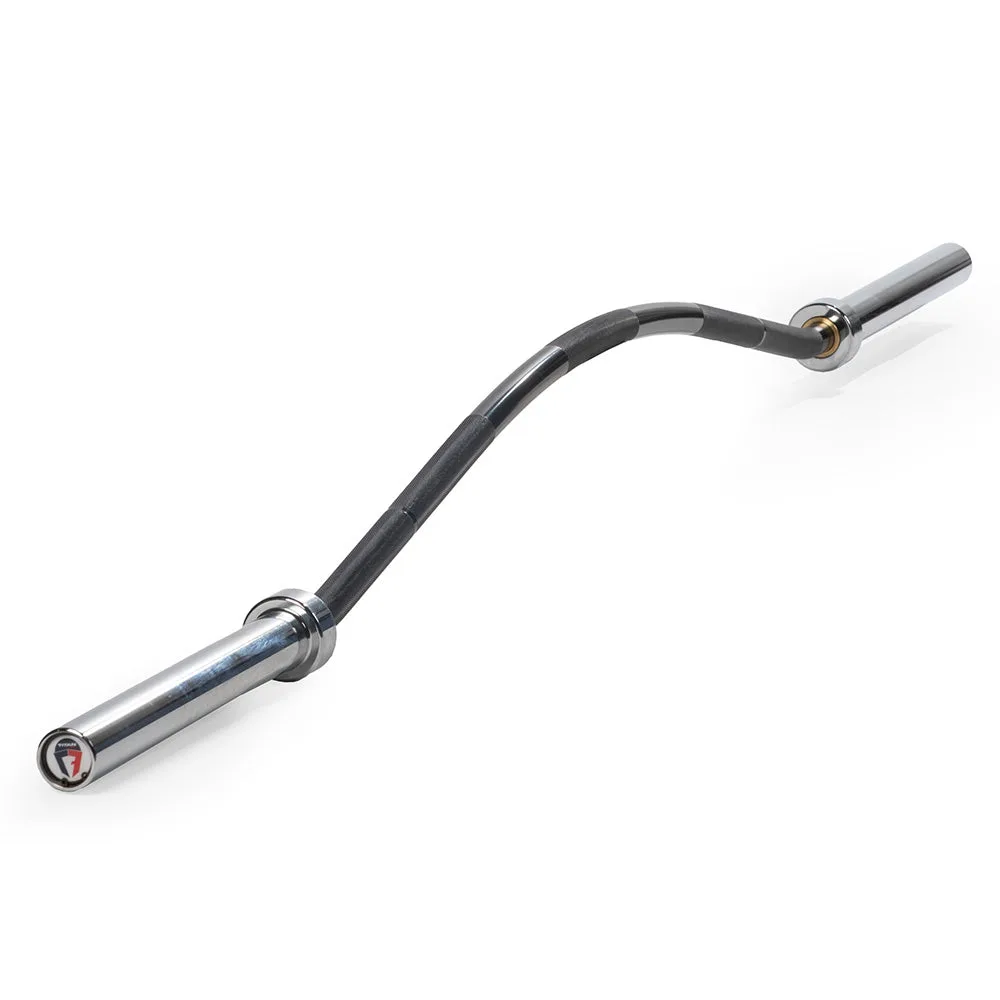
- Trap / hex bar — neutral-grip deadlifts and carries with a more upright torso; frequently the first specialty bar people add.
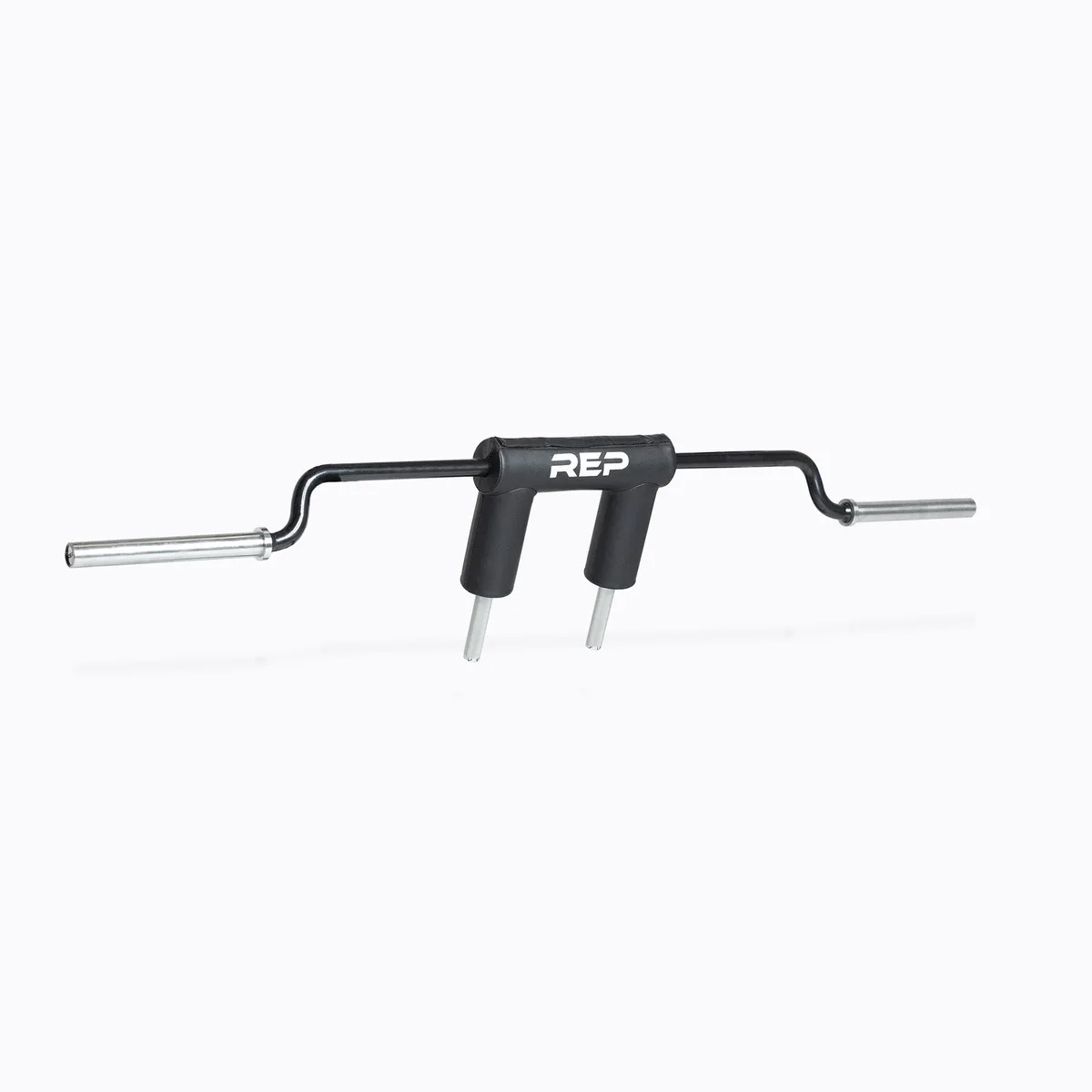
- Safety squat bar — padded yoke and cambered design; valuable for limited shoulder mobility or high squat volume.
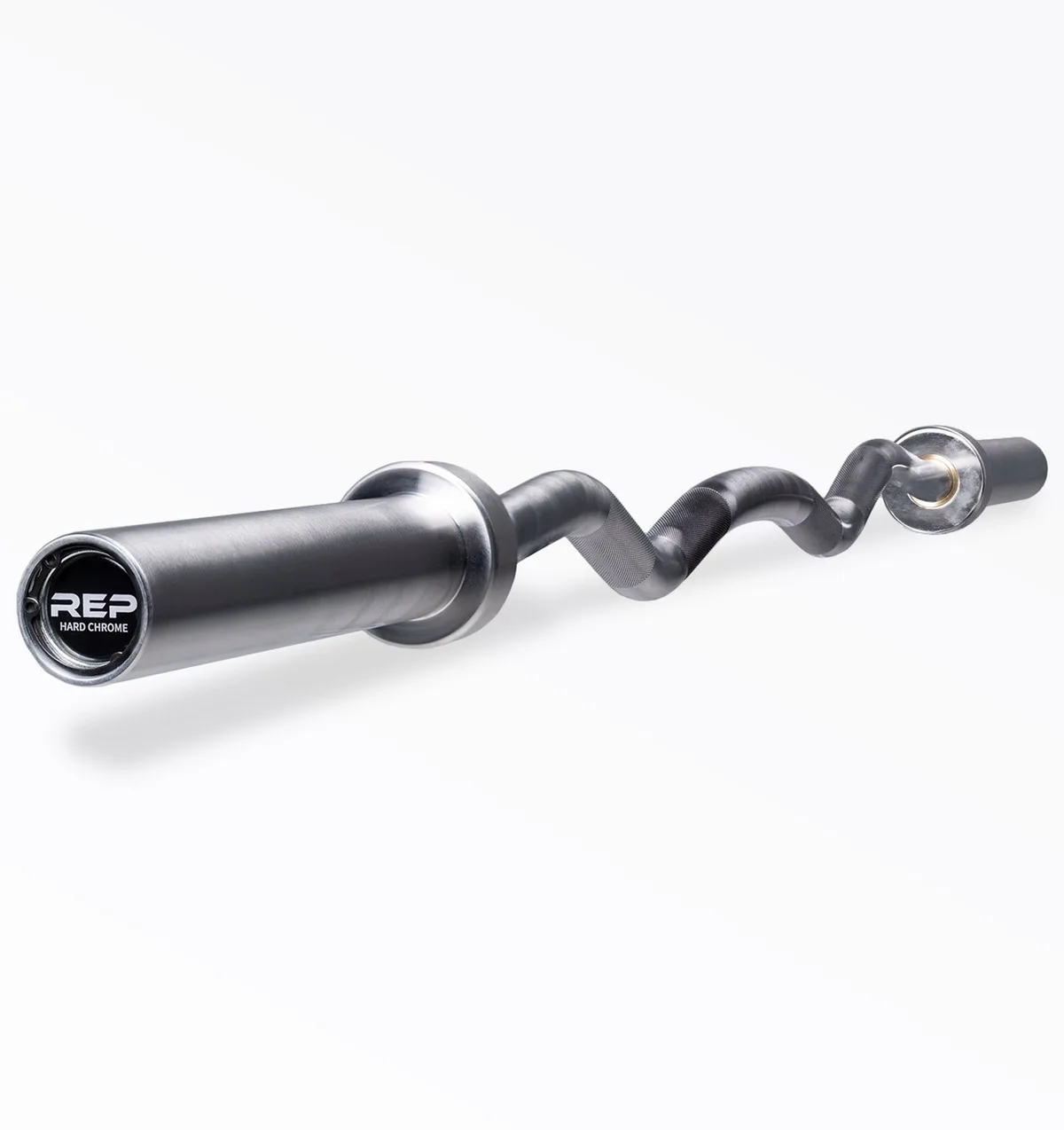
- EZ curl bar — angled grip that reduces wrist and elbow strain on curls and extensions.
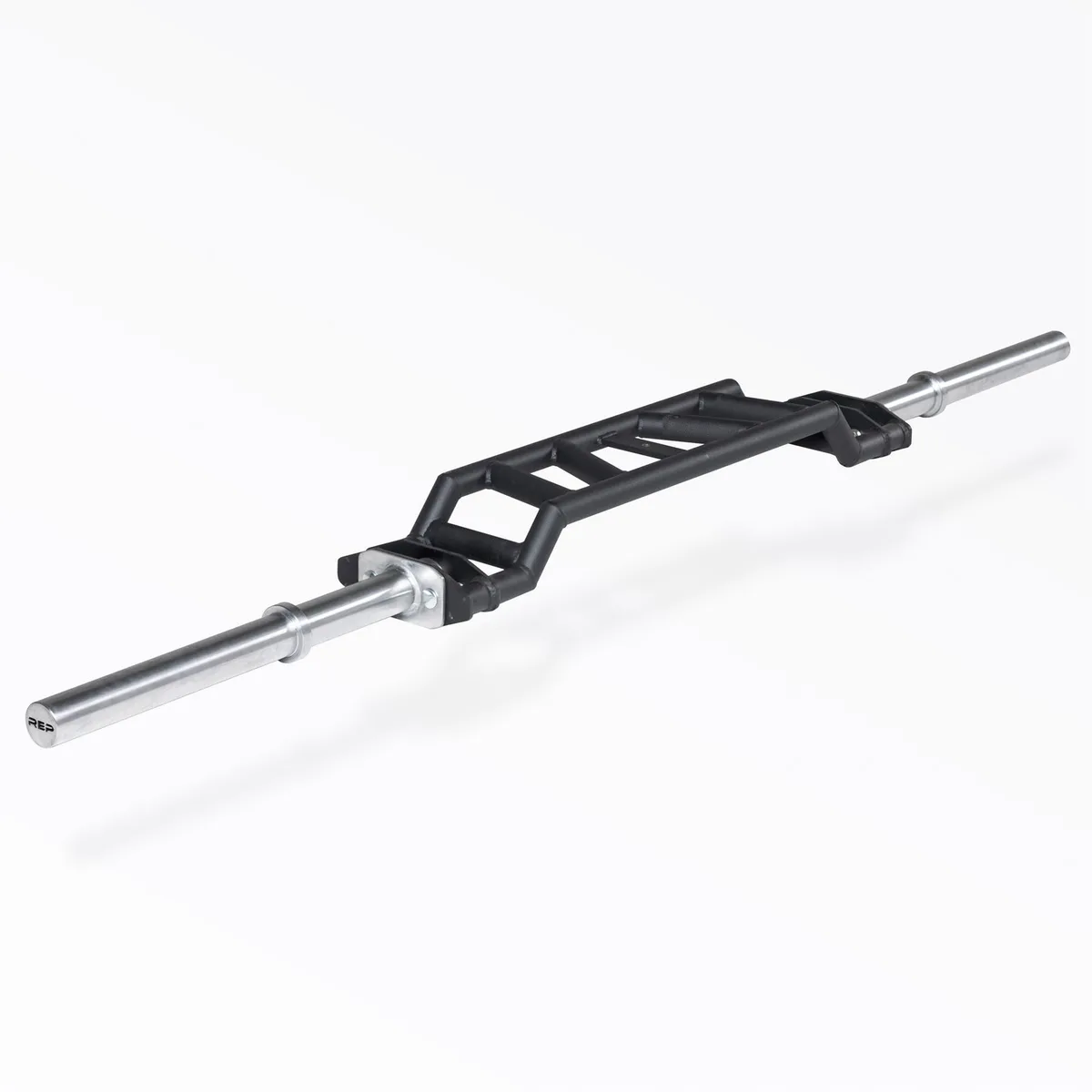
- Swiss / football bar — multiple neutral grips for pressing, often easier on cranky shoulders.
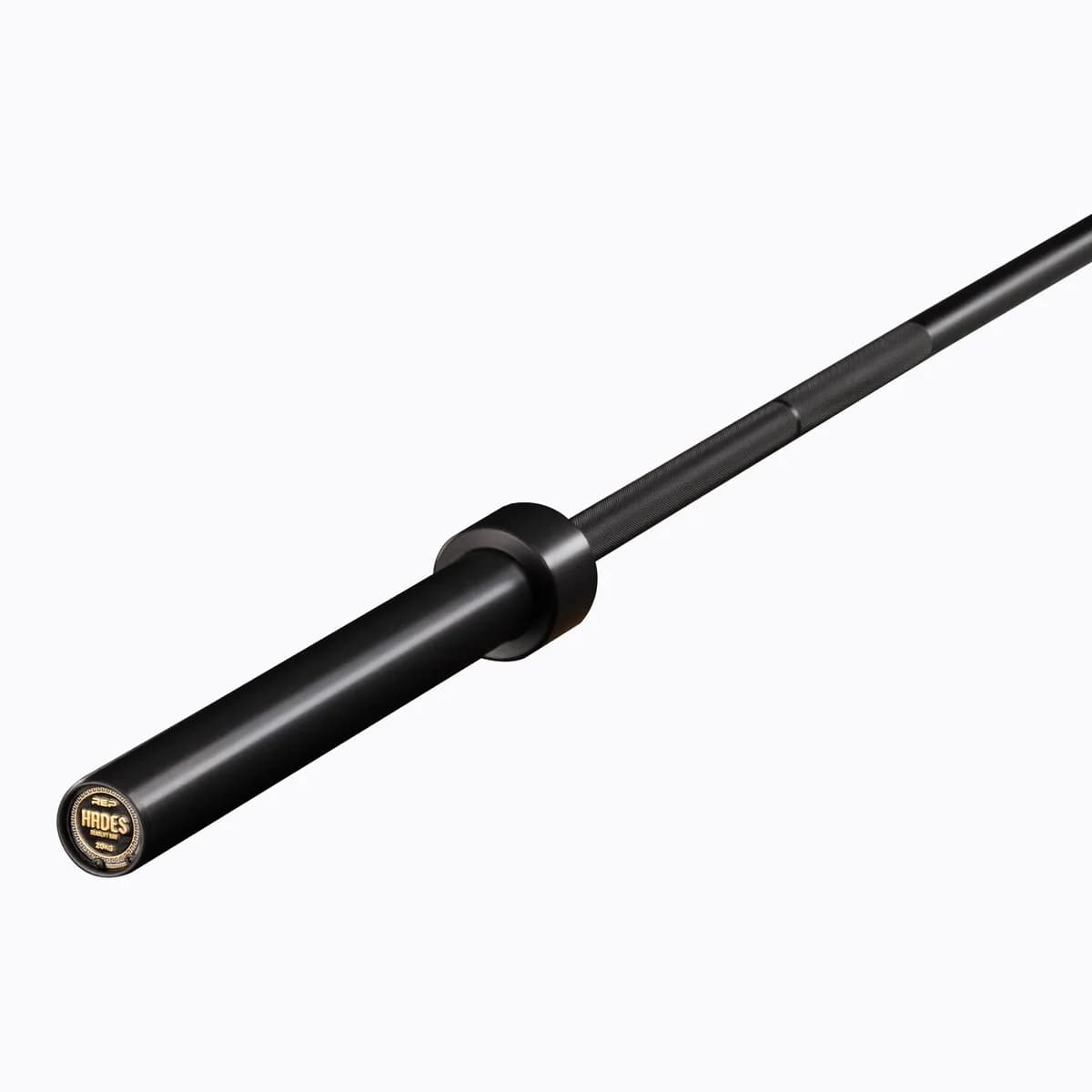
- Deadlift bar — thinner, longer, whippier, aggressively knurled, and specific to competition-style pulls.
- Cambered and buffalo bars — alter the load path for squats and pressing variations.
What more money actually buys
Price rises with steel quality, machining consistency, finish and sleeve engineering. The largest real-world jump is from the bottom tier into a bar with published specs and a meaningful warranty; gains above that are progressively finer.
Street prices move constantly and vary by finish, so treat tiers as feature thresholds rather than fixed numbers and verify current pricing before deciding.
- Entry tier — often no published tensile strength, thin or unspecified coating, vague warranty. The tier where regret concentrates.
- Mid tier — published tensile strength around 190,000 PSI, quality bushings, real coating options, a stated warranty against bending. This is where most home gyms should land.
- Premium tier — 200,000 PSI and up, stainless or high-grade finishes, precision knurl, bearing options, long parts support.
- A lifetime warranty against bending under normal use is a common signal of a manufacturer's own confidence — read what voids it.
- Above the mid tier you are usually buying feel, finish longevity and spin quality, not additional safety.
Red flags in a listing
Barbell listings are unusually easy to pad with numbers that sound technical but commit to nothing. These patterns are worth slowing down for.
- A capacity claim with no tensile strength figure anywhere in the documentation.
- "Chrome" with no indication of whether it is hard or decorative.
- No stated shaft diameter, or a diameter that contradicts the bar's claimed purpose.
- No loadable sleeve length published.
- Photographs that do not clearly show the knurl pattern or the knurl marks.
- A warranty that excludes bending, or that is stated only in months for the finish.
Care: most bars die of neglect, not load
Far more home-gym bars are ruined by rust and storage than by heavy lifting. A few minutes of routine maintenance outlasts almost any spec upgrade.
- Brush the knurl with a nylon or brass brush to clear chalk, skin and grit — brass is gentler on coatings.
- Wipe the shaft down and apply a light machine oil periodically; increase frequency in humid rooms.
- Never store the bar loaded, and do not leave it leaning against a wall — both invite a permanent bend.
- Store horizontally on hooks or in a rack, off concrete, which holds moisture.
- Keep bearings dry; moisture reaches them more easily than it reaches bushings.
A seven-point decision worksheet
Score every finalist on the same requirements before brand preference or a temporary discount enters the decision.
- Primary lifts, and therefore bar archetype
- Shaft diameter and knurl aggression, checked against every user in the household
- Shaft length versus the inside width of your rack
- Published tensile strength and a warranty that names bending
- Coating matched to your room's humidity, not just your grip preference
- Bushing or bearing, matched to whether you actually perform the Olympic lifts
- Loadable sleeve length versus the plates you own or plan to buy